
Frozen evaporator coils often start with restricted airflow, and when humid Alpharetta air hits a cold coil, moisture freezes quickly, blocking cooling and driving indoor humidity higher.
Many “AC won’t run” emergencies are triggered by condensate float switches, which shut the system off when a clogged drain line risks overflow and water damage.
Repeated breaker trips are a serious warning because hard-starting compressors draw high amperage, and continued resets can overheat wiring and shorten compressor life.
When an air conditioner fails, it rarely fails quietly. The home starts to feel sticky. The upstairs warms fast. Smart thermostats keep calling for cooling, but the vents push lukewarm air. In North Fulton, where summers are hot and humidity stays high, an AC breakdown is not just uncomfortable. It can quickly affect indoor air quality, electronics, wood flooring, and the daily rhythm of the home.
For homeowners in high-end neighborhoods like Windward, White Columns, Country Club of the South, and nearby Milton, a cooling outage can disrupt smart-home automation and humidity control. It can also put extra stress on pets, children, and older family members. That is why emergency AC repair matters here. Speed matters, but so does doing the right thing before the technician arrives.
In a real emergency, the best thing a homeowner can do is slow down and verify what is happening. Many “AC failures” are actually thermostat settings, tripped breakers, or drain safety switches doing their job.
Start with the basics. If the thermostat is calling for cool air but the home keeps heating up, it is time to check a few key signs. These quick checks do not replace professional HVAC troubleshooting, but they help the homeowner describe symptoms clearly and reduce service time.
Most AC repair calls in Alpharetta fall into a few categories: electrical start failures, airflow restrictions, refrigerant issues, or moisture drainage problems. The following checks help identify which category is most likely.
It sounds obvious, but it matters. Thermostats can be bumped. Some smart thermostats switch modes based on schedules. Make sure the thermostat is set to Cool, and set the temperature at least 3 to 5 degrees below the indoor temperature to trigger a cooling cycle.
If the thermostat screen is blank, the issue could be power-related. Some thermostats depend on a 24V control circuit and will go dark if a safety switch trips or a fuse blows.
In many homes, the indoor blower will turn on even if the outdoor unit fails. That can create the illusion that the AC is “running,” even though it is not cooling. A homeowner should listen for:
Indoor air handler humming but no cold air. Outdoor unit silent. Clicking sounds at the outdoor unit. Short cycling, where it starts and stops rapidly.
These symptoms often point to a failed capacitor, blown contactor, or compressor starting problem.
High humidity in Alpharetta can turn a small airflow issue into a major AC repair call. When airflow is restricted, the evaporator coil can freeze. Once frozen, the system cannot move heat properly. The result is warm air, poor airflow, and rising indoor humidity.
If the filter looks gray, heavy, or clogged, replace it. Then leave the system off for a short time. This prevents further freezing and reduces stress on the blower motor.
Ice is a major clue. A frozen evaporator coil often shows up as ice on the refrigerant line near the indoor unit or outside near the condenser. If ice is visible, turn the system to Off and set the fan to On. This helps thaw the coil and prevents liquid refrigerant from returning to the compressor, which can cause serious damage.
Frozen coils in Alpharetta are commonly caused by restricted airflow, dirty coils, low refrigerant charge, or a failing blower motor.
If the outdoor unit will not run, check the breaker panel. A tripped breaker can happen due to a power surge, a compressor struggling to start, or a failing capacitor pulling excess amperage. If the breaker is tripped, reset it once. If it trips again, leave it off and call for emergency AC repair in Alpharetta.
Repeated resets can damage electrical components and increase repair cost.
Alpharetta heat is intense, but humidity is what makes AC failures feel urgent. Humidity affects comfort and system performance. It also creates specific failure patterns that local homeowners see again and again.
When an AC runs, it pulls moisture from the air. That water drains through a condensate line. In Georgia, algae and buildup can clog the drain. Many systems have a float switch that shuts the unit down to prevent overflow. Homeowners often describe this as “the AC stopped working suddenly.”
Signs include water near the indoor unit, a musty smell, or a thermostat that is calling for cooling but the system will not run.
A frozen coil is one of the most common emergency AC repair triggers in Alpharetta. It can start with a simple dirty filter. Then airflow drops. The coil temperature falls below freezing. Ice builds up. Cooling stops. Humidity climbs. The home becomes uncomfortable fast.
In luxury homes with zoned HVAC systems, one zone may freeze while others still run. That creates uneven comfort and confusing symptoms. A technician will typically check airflow, static pressure, blower performance, and refrigerant charge.
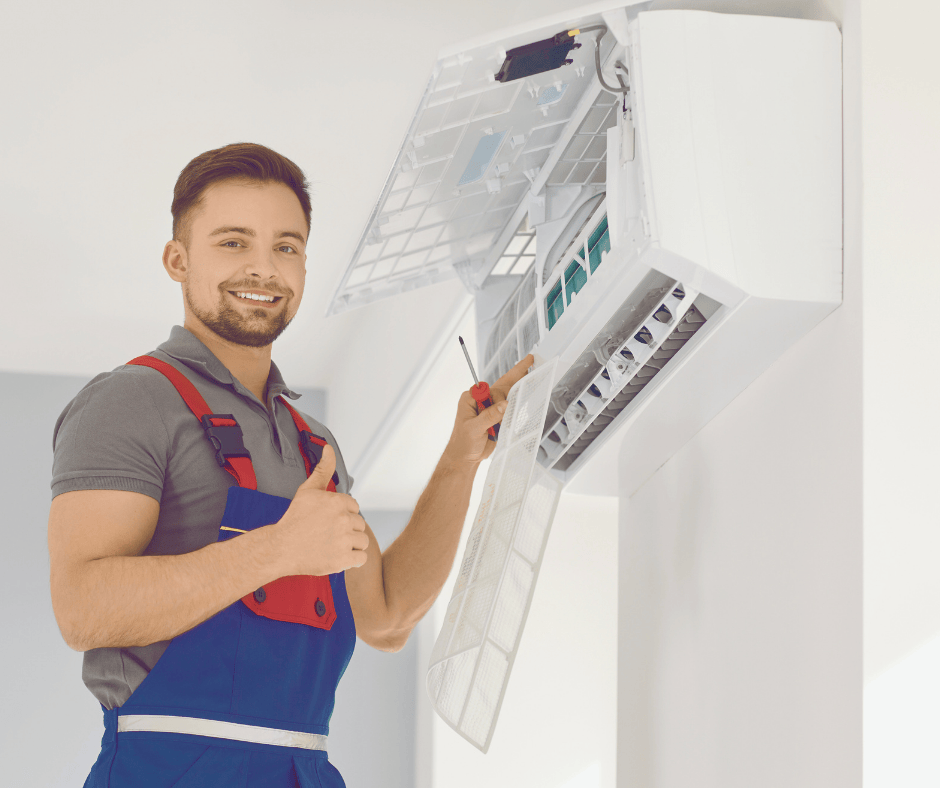
Short cycling is when the AC starts and stops repeatedly. It can be caused by thermostat wiring problems, a failing control board, oversized equipment, or a refrigerant issue. Short cycling is hard on the compressor and can turn a small issue into a major repair.
Some actions feel helpful but often make the situation worse. The following mistakes can increase repair costs or create safety risks.
Do not keep forcing the system to run if ice is present. Do not keep resetting breakers. Do not spray water into the outdoor unit. Do not open sealed panels or touch capacitor terminals. Do not add refrigerant from a store-bought kit. Refrigerant handling requires EPA certification and correct charging methods.
In Alpharetta, many systems use R-410A, and newer systems may transition to R-32. Incorrect refrigerant work can damage the compressor and void warranties.
Emergency AC repair is about speed, but speed comes from clarity. A homeowner can make the service call far more efficient by sharing specific information.
Before the tech arrives, it helps to note:
Whether the outdoor unit runs. Whether the indoor blower runs. Whether air feels warm, room temp, or slightly cool. Whether there is ice on lines. Whether the system is short cycling. Whether the breaker tripped. Any unusual noises like buzzing, clicking, or screeching.
That symptom list helps a technician arrive prepared. Many trucks carry common parts like start/run capacitors, contactors, and fuses specifically because these are frequent same-day AC repair items in Alpharetta.
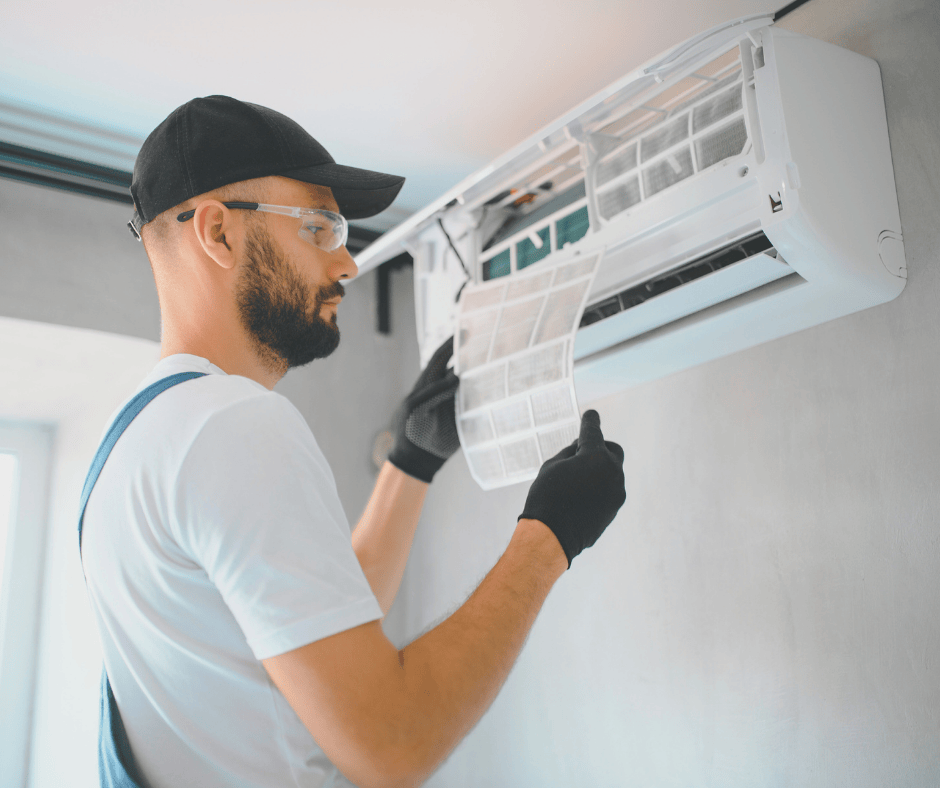
Most emergency calls in the 30004, 30005, 30009, and 30022 zip codes come down to a few core repairs. These are not guesses. They are patterns seen across North Fulton homes every summer.
A failed capacitor can prevent the compressor or fan motor from starting. Homeowners often hear a click, then nothing. Or they see the outdoor fan not spinning. Capacitors are common wear items and often fail during heat waves when the system runs nonstop.
The contactor is an electrical switch that allows the outdoor unit to run. If it is burned or stuck, the system may not start. In some cases it can cause buzzing sounds.
Drain line clogs are extremely common in humid Georgia summers. Clearing the line and checking the float switch can restore cooling quickly.
If the system is low on refrigerant, it cannot absorb heat effectively. A homeowner may notice longer run times, lukewarm airflow, and rising indoor humidity. Leak detection is essential. Adding refrigerant without finding the leak is not a real fix.
A failing blower motor can cause low airflow and coil freezing. Screeching, grinding, or inconsistent airflow can point to motor or bearing issues.
Many Alpharetta homeowners invest in premium HVAC equipment because comfort matters. High-efficiency SEER2 systems, zoned HVAC, and ductless mini-splits are common in newer homes and mixed-use residences near Avalon and Halcyon.
These systems often require advanced diagnostics. Inverter-driven systems like Daikin Fit and Mitsubishi Electric mini-splits use sophisticated control boards and sensors. A technician must test components properly and use manufacturer-approved methods to protect performance and warranty coverage.
One Hour Heating & Air Conditioning services major brands like Trane, Carrier, Lennox, Rheem, and Goodman, while also supporting high-end comfort systems and smart-home integration.
During peak heat, emergency AC repair calls rise fast across North Fulton. Homeowners near North Point Mall, Ameris Bank Amphitheatre, and Wills Park want the same thing: a fast diagnosis and a real fix.
Neighborhood-level service makes a difference. Quick dispatch to areas like Crabapple, Glen Abbey, and Windward helps restore cooling sooner and reduces the time a home sits in high humidity.
Some problems should never wait. If the home is above 80 degrees, humidity is rising, or there are vulnerable occupants, calling for 24/7 air conditioning repair is the safest move.
A homeowner should call immediately if:
The breaker trips repeatedly. Ice is visible and airflow is weak. There is a burning smell. The outdoor unit is making loud electrical buzzing. Water is pooling near the indoor unit. The system will not turn on at all.
When an AC fails, homeowners want answers quickly. They want calm communication, clean work, and a repair that lasts. In Alpharetta, where humidity and heat stress equipment hard, emergency AC repair needs to focus on diagnostics first and repairs second.
One Hour Heating & Air Conditioning provides fast-response AC repair in Alpharetta, GA with trained technicians who understand high-efficiency systems, zoned HVAC, ductless mini-splits, and humidity control. For homeowners who need same-day AC repair, emergency cooling service, or refrigerant leak detection, the next step is simple.
Schedule an emergency repair visit and let a professional technician restore cooling, protect indoor air quality, and bring the home back to normal comfort.
Redirect to:
|
This page is a redirect. The following categories are used to track and monitor this redirect:
|